Hormonal Adaptations: Leptin and Ghrelin Dynamics
Published: February 2026
Introduction
Hormonal systems regulating appetite and energy intake demonstrate profound changes during severe caloric restriction. These alterations represent coordinated physiological responses to perceived energy scarcity and have significant implications for understanding appetite changes during and after restriction. Leptin and ghrelin, two primary appetite-regulating hormones, show particularly striking changes that influence eating behaviour and satiety patterns.
Overview of Appetite Regulation Systems
Appetite regulation involves complex interactions between hormonal, neurological, and psychological systems. Hormones act as chemical messengers communicating energy status and nutrient availability to brain centres controlling hunger and satiety. The hypothalamus, a brain region approximately the size of an almond, integrates hormonal signals and generates hunger or satiety sensations. This system evolved to maintain energy balance and ensure adequate nutrition—signals that become dysregulated during severe restriction.
Leptin: The Energy Status Hormone
Normal Function
Leptin is produced by adipose tissue and circulates in proportion to total body fat stores. The hormone communicates energy status to the hypothalamus, signalling adequate energy stores and suppressing hunger. Higher leptin levels signal the brain that energy is abundant, reducing hunger sensations and food-seeking behaviour. Leptin acts through specific receptors in the hypothalamus to regulate both appetite and metabolic rate.
Changes During Restriction
Leptin levels decrease rapidly during caloric restriction—even before significant fat loss occurs. The decline appears to reflect both reduced energy availability and decreased adipose tissue mass. Leptin can decrease 20-50% within days of beginning severe restriction, even if fat loss remains minimal. This rapid decline signals the brain that energy is scarce, triggering compensatory increases in hunger and appetite sensations.
Effects on Appetite and Satiety
Reduced leptin signalling removes the "satiety brake" normally applied to appetite systems. With lower leptin, hunger signals intensify, satiety sensations diminish, and food-seeking behaviour increases. This neurobiological shift explains the increased preoccupation with food observed during severe restriction—it reflects altered appetite signalling, not a psychological or willpower problem.
Metabolic Effects of Leptin Reduction
Beyond appetite effects, leptin reduction directly decreases metabolic rate and thermogenesis. Leptin acts on the hypothalamus to stimulate energy expenditure and suppress energy conservation. Lower leptin therefore contributes to the metabolic adaptation discussed previously, reducing the energy expended at rest and during activity.
Ghrelin: The Hunger Hormone
Normal Function
Ghrelin is produced primarily by the stomach and acts as an appetite stimulator. The hormone signals the brain that energy intake is needed, stimulating hunger sensations and feeding behaviour. Ghrelin levels typically increase before meals (preparing the body for eating) and decrease after meals (signalling satiety). This meal-related pattern coordinates appetite with nutritional needs.
Changes During Restriction
Ghrelin levels elevate chronically during severe restriction, maintaining elevated hunger signalling even after eating. Unlike the normal meal-related rhythm where ghrelin decreases after eating, individuals in severe restriction may experience persistently high ghrelin that doesn't suppress adequately postprandially (after eating). This sustained elevation contributes to continued hunger sensations despite food consumption.
Adaptation and Persistence
Elevated ghrelin during restriction does not typically show the adaptation (habituation) that might reduce its appetite-stimulating effects over time. Instead, high ghrelin persists throughout restriction, maintaining strong appetite signalling. This sustained effect reflects the body's continued perception of energy scarcity.
Delayed Recovery After Restriction
One of the most significant aspects of ghrelin adaptation is its slow return to baseline after restriction ends. Even weeks or months after returning to normal eating and adequate energy intake, ghrelin levels may remain elevated above pre-restriction baseline. This delayed recovery creates a period where appetite signalling remains amplified despite adequate energy availability, contributing to increased food consumption and weight regain patterns.
Interaction Between Leptin and Ghrelin
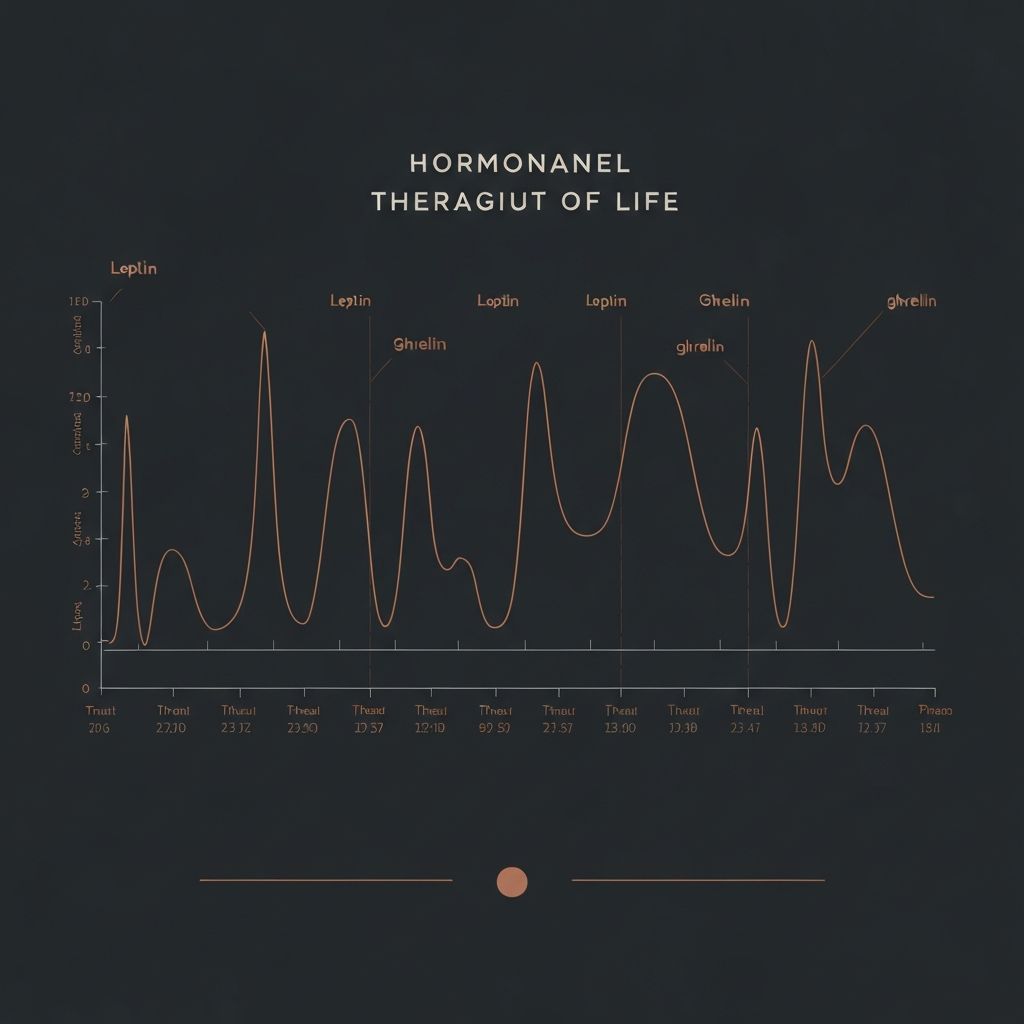
Leptin and ghrelin work in opposing directions—leptin suppresses appetite while ghrelin stimulates it. During restriction, the shift toward lower leptin (appetite suppression removed) combined with higher ghrelin (appetite stimulation increased) creates a powerful neurobiological drive toward increased eating. This dual hormonal shift represents one of the most potent appetite-stimulating conditions the body can experience.
The interaction between these hormones is not simply additive—they act synergistically through neural pathways and brain centres controlling appetite. The convergence of both hormonal signals shifting toward increased appetite and decreased satiety creates a neurobiological state strongly favouring increased energy intake.
Other Hormonal Changes During Restriction
Cortisol Elevation
Cortisol, the primary glucocorticoid hormone, typically increases during chronic severe restriction. Elevated cortisol promotes protein breakdown, increases appetite in some individuals, and contributes to the metabolic adaptation previously described. The elevation appears to reflect the stress response to energy scarcity.
Peptide YY (PYY) Changes
PYY, a hormone promoting satiety, may decrease during severe restriction in some individuals. The decline in satiety-promoting hormones parallels the increase in appetite-stimulating hormones, further amplifying the appetite-promoting hormonal environment.
Insulin Reduction
Insulin levels decrease during restriction due to reduced carbohydrate intake and energy availability. Insulin has anabolic effects and influences appetite signalling. Lower insulin contributes to the metabolic environment favouring lean tissue catabolism and appetite amplification.
Duration and Magnitude of Hormonal Changes
The severity and rapidity of hormonal changes relate to restriction severity. Very severe restriction produces more pronounced leptin decreases and ghrelin increases compared to moderate restriction. Duration of restriction also influences adaptation—hormonal changes persist and may intensify with longer restriction duration.
Recovery Timeline After Restriction
When restriction ends and normal eating resumes:
- Leptin: Typically recovers relatively rapidly (days to weeks) as energy availability increases and fat stores are restored.
- Ghrelin: Often shows delayed recovery (weeks to months) with elevated levels persisting even as energy intake normalises. This lag creates a period of amplified appetite despite adequate food intake.
- Other hormones: Most hormonal changes reverse relatively quickly once energy sufficiency is restored, though the timeline varies.
Implications for Eating Behaviour
Understanding hormonal changes provides important context for explaining increased appetite and food preoccupation during severe restriction. These represent normal physiological responses to altered hormonal signalling, not personal weakness or lack of willpower. The hormonal environment during and after severe restriction creates a state where increased eating is a predictable neurobiological consequence rather than a behavioural failure.
Educational Information: This article explains physiological mechanisms observed in research contexts. It does not constitute medical advice or personal recommendations. For health-related decisions, consult qualified healthcare professionals.