Patterns of Weight Regain After Restriction Phases
Published: February 2026
Introduction
One of the most consistently documented outcomes following severe caloric restriction is weight regain. Long-term follow-up studies of individuals completing very low-calorie diets demonstrate remarkably consistent patterns—a substantial portion of lost weight returns within defined timeframes. Understanding regain patterns provides important context for recognising that weight return after restriction reflects predictable physiological and behavioural responses rather than personal failure or metabolic "damage."
Overall Regain Rates and Timelines
Documented Regain Trajectories
Research consistently demonstrates that 50-80% of weight lost during very low-calorie diets returns within 2-5 years post-intervention. Extended follow-up studies (5-10 years) show that many individuals return to or exceed initial weight, with some studies documenting weight surpassing pre-restriction baseline. However, considerable individual variation exists—some individuals maintain substantial weight loss whilst others experience complete or near-complete regain.
Timeline Phases of Regain
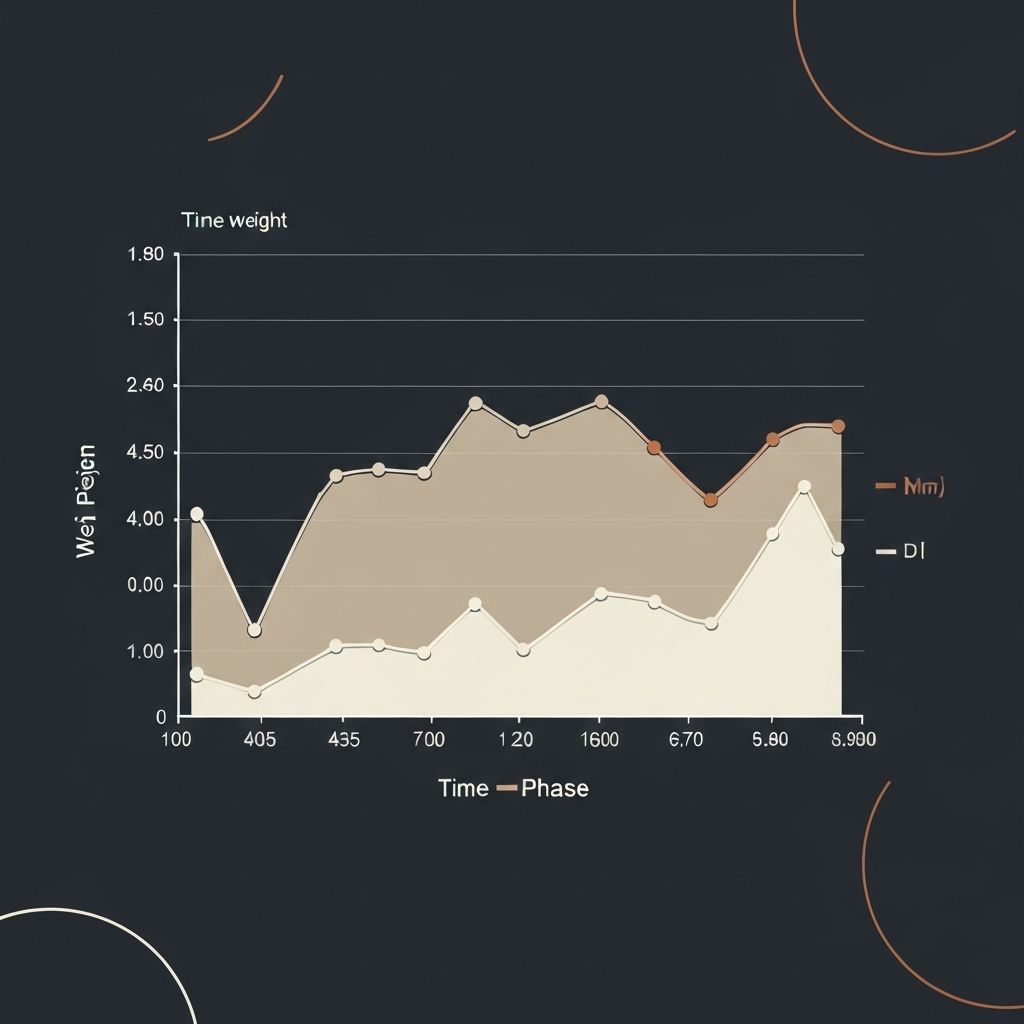
Weight regain typically follows identifiable phases: immediate post-restriction regain (often rapid in the first weeks to months), intermediate regain (months 3-12), and long-term trajectory (1+ years). The rate of regain often decreases over time after the initial rapid phase, though the overall trend of weight return continues.
Mechanisms Underlying Weight Regain
Metabolic Factors
Persistent metabolic adaptation contributes to regain. Even after returning to normal eating and weight recovery to near-restriction levels, metabolic rate may remain suppressed relative to pre-restriction baseline. This means individuals are expending fewer calories at similar weights and activity levels compared to before restriction, creating an energy surplus that promotes weight gain.
The persistent metabolic suppression appears to reflect incomplete recovery of the physiological mechanisms initially downregulated during restriction. Whilst metabolic recovery is often relatively rapid (weeks to months), complete normalisation may require longer periods.
Hormonal Factors
Hormonal changes documented during restriction show variable recovery timelines. Leptin typically recovers relatively quickly (days to weeks), but ghrelin often remains elevated for extended periods even after energy intake normalises. This sustained elevation in appetite-stimulating hormones combined with incomplete leptin signalling recovery creates a prolonged period where appetite signalling favours increased consumption.
The hormonal environment post-restriction therefore facilitates increased energy intake even when physiological energy needs have been met, contributing to the energy surplus driving weight regain.
Behavioural and Psychological Factors
Behavioural changes contribute significantly to regain. After completing restriction, food intake often rebounds toward or above pre-restriction levels. This rebound reflects multiple factors: the elimination of rigid dietary rules previously maintained, return to pre-restriction eating patterns, normalisation of food availability, and the heightened reward sensitivity and food preoccupation that may persist post-restriction.
Psychological factors including disinhibition patterns established during restriction, reduced restraint capacity post-restriction, and the reintroduction of previously restricted foods may also facilitate increased consumption.
Individual Variation in Regain Patterns
Factors Predicting Minimal Regain
Some individuals maintain substantial weight loss long-term. Research on weight loss maintenance identifies factors associated with successful weight maintenance: sustained behavioural changes (particularly continued physical activity and dietary consistency), continued social support or professional involvement, self-monitoring of weight and eating patterns, and psychological resilience. These factors appear to provide sufficient structure and motivation to counteract the physiological drive toward regain.
Factors Predicting Complete Regain
Complete or near-complete weight regain is more common among those who: return to pre-restriction eating patterns without modification, discontinue physical activity engagement post-restriction, lack ongoing structure or support, and experience limited sustained psychological motivation for weight maintenance. These individuals show both less behavioural change persistence and greater vulnerability to the physiological appetite and metabolic changes promoting regain.
Genetic Influences
Genetic factors appear to influence both initial weight loss during restriction and subsequent regain patterns. Individuals with genetic predisposition toward obesity or altered metabolic efficiency may demonstrate different regain trajectories compared to others. However, genetics appear to influence but not determine outcomes—environmental and behavioural factors continue to play substantial roles even in genetically-influenced individuals.
Regain Composition: Fat Versus Lean Tissue
Fat-Preferential Regain
Weight regain post-restriction tends to be fat-preferential—a larger proportion of regained weight consists of adipose tissue compared to the initially lost weight composition. This reflects the preferential mobilisation of lean tissue during restriction (as discussed previously) combined with preferential deposition of regained weight as fat post-restriction.
Implications for Body Composition
The fat-preferential regain pattern creates an important body composition outcome: individuals may return to or exceed pre-restriction weight whilst having reduced lean tissue and increased fat mass compared to baseline. This change in composition, even at maintained weight, alters metabolic characteristics and may have functional implications for strength and physical capacity.
Psychological and Behavioural Aspects of Regain
All-or-Nothing Thinking
Individuals who experienced complete dietary adherence during restriction sometimes employ all-or-nothing thinking post-restriction, viewing any weight regain as "failure" rather than as a normal physiological tendency. This perspective may paradoxically facilitate continued regain by creating discouragement or abandonment of weight management efforts.
Diet Cycling Effects
Individuals who undergo multiple cycles of severe restriction and regain may show amplified regain after subsequent cycles. The repeatedly restored physiological responses to restriction (metabolic adaptation, hormonal changes) combined with established behavioural patterns may intensify with repeated cycles, potentially leading to greater regain magnitudes.
Duration of Restriction and Subsequent Regain
The duration of severe restriction appears to influence subsequent regain patterns. Longer periods of restriction may lead to greater regain due to cumulative physiological adaptation and more substantial metabolic changes requiring recovery. Short-term restriction shows more rapid metabolic recovery and potentially more manageable regain compared to extended restriction.
Comparison with Weight Maintenance Approaches
Research comparing very low-calorie diet approaches with more gradual weight loss approaches demonstrates better long-term weight maintenance with moderate, slower weight loss. This comparison suggests that less severe restriction approaches, despite producing slower initial weight loss, may result in better long-term weight stability by avoiding the extreme physiological and psychological adaptations characteristic of very low-calorie diets.
Context of Regain Research
Weight regain patterns are documented across diverse populations, research designs, and intervention types. The consistency of regain across contexts suggests these represent fundamental physiological and behavioural responses to the restriction-refeeding cycle rather than consequences specific to particular diet types or populations. Understanding regain as a predictable physiological phenomenon rather than a failure of particular approaches provides important reframing of weight loss and regain cycles.
Educational Information: This article explains patterns documented in research. It does not constitute medical advice or personal recommendations. For health-related decisions, consult qualified healthcare professionals.